When US national parks closed in 2020, scientists tracked 229 mammals in 14 parks; animals near developed areas began using those spaces differently from before
The Economic Timesvia NewsData.io
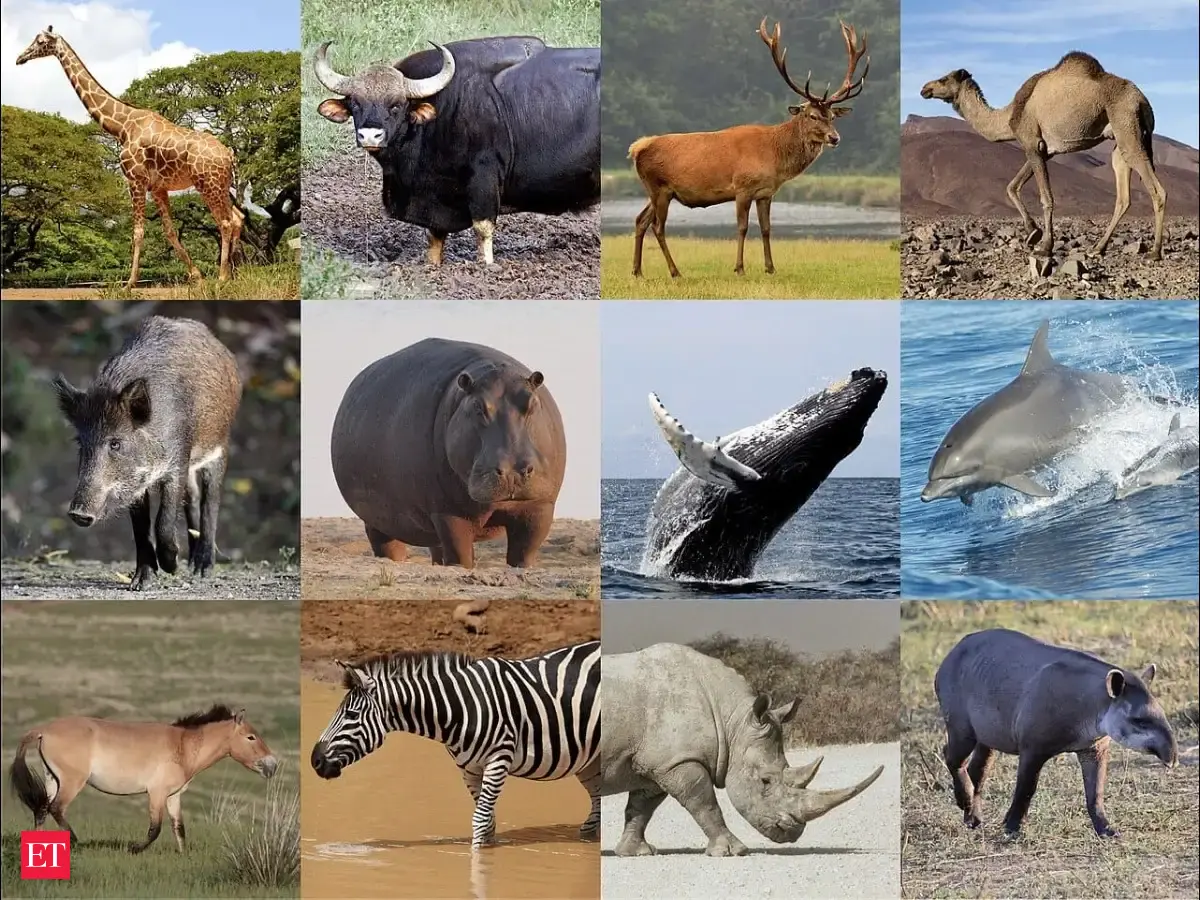
Recent research reveals that the temporary closure of US National Parks led to notable shifts in wildlife behavior. During the pandemic lockdown, certain animals, like wolves and mountain goats, avoided human interactions. However, parks that became busier saw mule deer and red foxes engaging more with human spaces. This study sheds light on how diverse species adapt differently to human presence within these protected areas.
Headline and summary provided via NewsData.io. The full article and its copyright belong to the original publisher.
